Every year brings a fresh wave of web design news, and 2026 is no exception. Some of it is genuinely useful. However, some of it is just noise that looks nice in a portfolio but does nothing for an actual business. Here’s what’s actually happening in web design right now, and what’s worth paying attention to.
Bold, Saturated Color Is Making a Comeback
Muted, minimal palettes are giving ground to bright, high-contrast color. Think neon gradients and bold pairings instead of soft grays and pastels. Especially for lifestyle, beauty, and youth-focused brands, this shift toward energetic color is becoming one of the more visible pieces of web design news this year.
AI Has Become a Standard Part of the Design Workflow
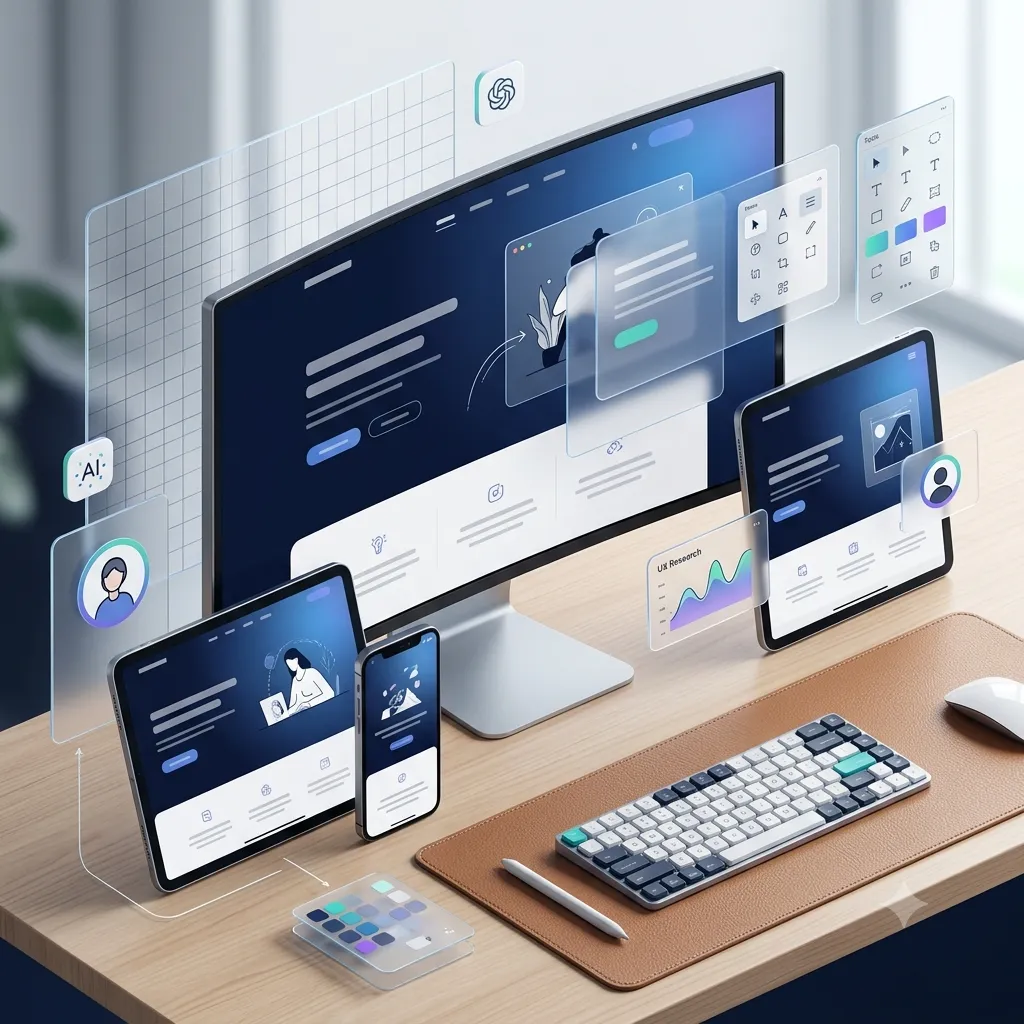
This isn’t hype anymore. According to Figma’s design trends research, a large majority of designers now use generative AI somewhere in their process, and most say it improves their output quality, not just their speed. In practice, that usually means AI assists with layout options or first drafts, while a human still makes the final creative decisions.
Modular, Block-Based Layouts Are Replacing Long Scrolls
Instead of one long vertical page, more sites now organize content into clearly defined blocks, often called bento-style layouts. As a result, it’s easier for visitors to scan a page and find what they need quickly. However, these grids need careful planning for mobile, since a layout that looks sharp in multiple columns can lose its structure once it collapses to one.
Typography Is Becoming the Main Visual Element
Oversized headlines, custom fonts, and bold type choices are increasingly doing the visual heavy lifting that used to belong to photography. As a result, a single striking headline can now carry a page’s entire personality, instead of relying on a hero image to set the tone.
Performance and Accessibility Are Now Core to Design, Not an Afterthought
Fewer sites are treating speed and accessibility as a final checklist item. Instead, leaner code, optimized images, and screen-reader support are getting built in from the start. So, we cover exactly why that matters in Website Speed and SEO: Why Your Website Needs Both.
What This Web Design News Means for Small Businesses
Not every trend belongs on every website. For example, a law firm doesn’t need the same bold color and motion design as a skincare brand, and chasing every trend can hurt trust instead of building it. Take this cosmetics and skincare store we designed as an example. Bold color and confident typography fit that brand well, but the same choices would look out of place on a dental practice or law firm site.
Trends We’d Use Carefully
Heavy 3D visuals, complex scroll animations, and AI-driven personalization all sound impressive, but they add real cost and complexity. Therefore, for a business deciding where to spend a limited budget, that tradeoff is worth understanding upfront. See our breakdown of what a business website actually costs in 2026 for general context.
How We Approach Web Design Trends at Potomac Web Design
We watch this web design news closely, but we don’t build a client’s site around a trend just because it’s popular this year. Every design choice gets evaluated against one question: does this actually help the business get more customers? If an agency can’t answer that clearly, it’s worth asking more questions before you sign anything, which is exactly what how to choose a web design agency covers in more detail.
Frequently Asked Questions
Should my business website follow every design trend?
No. Trends should fit your brand and your customers, not the other way around. A trend that works well for one industry can actively hurt trust in another.
Is AI actually being used in professional web design now?
Yes, widely. Most professional designers now use AI somewhere in their workflow, typically for early drafts, layout options, or research, with a human still making the final creative decisions.
Are bold colors and heavy animation right for every website?
No. They work well for lifestyle, beauty, and youth-focused brands especially. Professional services like legal or medical practices usually benefit more from a calmer, trust-focused design approach.
How often should a business update its website design?
There’s no fixed schedule. A redesign makes sense when the current site feels outdated, loads slowly, or no longer reflects how the business actually operates, not simply because a new trend appeared.
Do web design trends affect SEO?
Some do. Heavy animations and unoptimized visuals can slow a site down, which affects both rankings and conversions. Trends that prioritize clean code and accessibility tend to help SEO rather than hurt it.
Want a website that uses the right trends for your business, not just the popular ones? Take a look at our web design services. Then let’s talk about what will actually work for your customers.




Add comment