
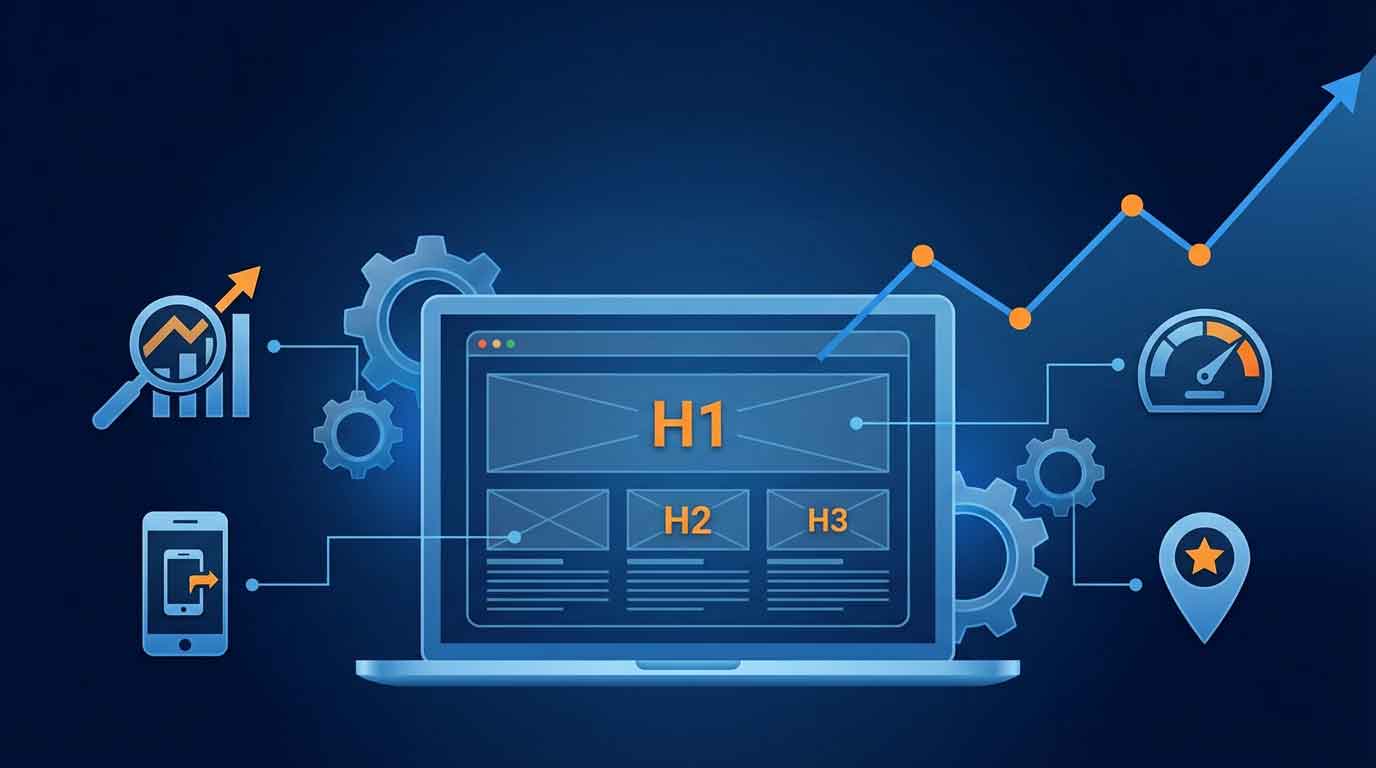
Web design in 2026 is the foundation of business growth online. It is not just about aesthetics; it’s about creating websites that attract visitors, build trust, convert leads, and drive revenue.
Whether you are launching a new startup, running an e-commerce store, or building a SaaS platform, a well-designed website is your digital office, marketing engine, and sales team.
In this guide, you will learn everything a business needs to know: UX, UI, SEO, mobile-first design, speed optimization, AI-friendly content, and conversion-focused strategies.
Why Web Design Matters for Businesses in 2026
-
First Impressions Matter: 94% of users judge a business by its website design.
-
Mobile Traffic Dominance: Over 70% of users browse on mobile devices; slow or non-responsive sites lose customers.
-
AI-Optimized Content: Google and AI tools now prioritize clarity, depth, and structured answers.
-
Conversions Drive Revenue: A business website should turn visitors into paying customers or leads.
Example: An e-commerce store with mobile-first, fast-loading, and conversion-focused design can see a 30–50% increase in sales.
Core Elements of Business Web Design
1. User Experience (UX)
UX is how your visitors feel while navigating your website. A great UX keeps potential customers engaged and reduces bounce rates.
Key UX strategies for business websites in 2026:
-
Logical navigation and clear menus
-
Fast page load (target <3 seconds)
-
Readable content with headings and bullet points
-
Accessibility (WCAG compliance, alt text, keyboard navigation)
-
Trust elements (testimonials, secure payment options, SSL)
Example: A SaaS website that simplifies account setup and uses clear progress indicators increases user retention by 40%.
2. User Interface (UI)
UI is how your website looks. Professional UI builds credibility and confidence in your brand.
UI best practices for business websites:
-
Consistent fonts, colors, and iconography
-
Highlight CTAs (Buy Now, Contact Us)
-
Whitespace for focus and readability
-
Micro-interactions like hover effects and feedback animations
Example: Highlighting subscription buttons with contrasting colors on a landing page can increase sign-ups by 20%.
3. Mobile-First Design
Most business traffic comes from mobile devices. Design for mobile first, then adapt to desktop.
Business-focused mobile-first tips:
-
Simplify menus and CTAs
-
Optimize images and icons
-
Test with Google Mobile-Friendly Test
-
Avoid disruptive pop-ups on small screens
Case Study: A consulting firm redesigned its website mobile-first and increased inquiries by 35%.
4. Website Speed & Performance
Performance affects both SEO and conversions.
Optimization for businesses:
-
Fast hosting and CDN usage
-
Optimize images (WebP, lazy loading)
-
Minify CSS/JS and enable caching
-
Monitor Core Web Vitals for user experience
Statistic: Websites loading under 2 seconds retain 75% more business leads than slower sites.
5. SEO & AI Optimization
SEO ensures your business website appears in search results.
Business-focused SEO in 2026:
-
Use keywords and LSI keywords: web design, mobile optimization, conversion rate, responsive design, page speed
-
Structured headings and schema markup (FAQ, How-to, Product)
-
Fast, mobile-friendly pages
-
AI-friendly content: clear, deep, and directly answering user questions
Tip: Linking to authoritative sources (e.g., industry studies, case studies) and internal pages improves credibility and ranking.
6. Conversion-Focused Design
Conversions are the real goal for business websites: sales, leads, sign-ups, or bookings.
Strategies:
-
Clear CTA placement
-
Short forms with minimal fields
-
Trust indicators: SSL, badges, reviews
-
Transparent pricing and guarantees
-
A/B testing for CTAs, colors, and copy
Example: A landing page optimized with a testimonial, CTA above the fold, and simplified checkout increased conversions by 28%.
7. Types of Business Websites
-
Corporate Website: Brand, services, contact info
-
E-commerce Website: Products, easy checkout, upsells
-
Landing Page: Focused single goal (email capture, promo, lead generation)
-
Portfolio Website: Showcase agency or freelancer work
-
SaaS Website: Features, trial signup, dashboard usability
8. Modern Business Web Design Trends
-
Minimalist, professional layout
-
Dark mode toggle
-
AI chatbots for customer support
-
Personalized content dynamically
-
Micro animations
-
Accessibility-friendly layouts
-
Privacy transparency
Note: Trends must enhance usability and conversions, not distract.
9. Common Mistakes in Business Web Design
-
Overcomplicating design
-
Ignoring mobile users
-
Weak or missing CTAs
-
Excessive animations
-
Thin, unhelpful content
-
Skipping SEO and schema
-
Slow hosting
Rule: For business success, websites must be fast, clear, structured, and conversion-oriented.
10. Step-by-Step Guide for Business Websites
-
Define business goals (sales, leads, brand awareness)
-
Research audience and competitors
-
Plan pages, menus, and structure
-
Write high-quality, AI-optimized content
-
Design mobile-first
-
Optimize SEO and structured data
-
Improve speed and performance
-
Add trust signals (testimonials, badges, SSL)
-
Test on multiple devices and browsers
-
Monitor analytics and improve continuously
Tip: Websites never stop evolving; continuous optimization drives business growth.
11. FAQ (Schema-Ready)
Q: What is the difference between UX and UI for business websites?
A: UX is how users feel and navigate; UI is how the site looks. Both affect conversions and trust.
Q: Why is mobile-first important for business websites?
A: Over 70% of traffic is mobile; Google indexes mobile versions first, and users expect smooth experience.
Q: How does AI influence web design in 2026?
A: AI evaluates content clarity, structure, and usefulness, rewarding websites that provide structured, in-depth, helpful answers.
Final Summary
Business web design in 2026 = UX + UI + Mobile-first + Speed + SEO + AI + Conversions.
Focus on:
-
Clear, professional UX/UI for engagement
-
Fast, mobile-first performance
-
Structured, AI-friendly content
-
Conversion-focused CTAs and trust signals
A website is the foundation of business growth online, turning traffic into leads, leads into customers, and customers into repeat buyers.



Add comment