
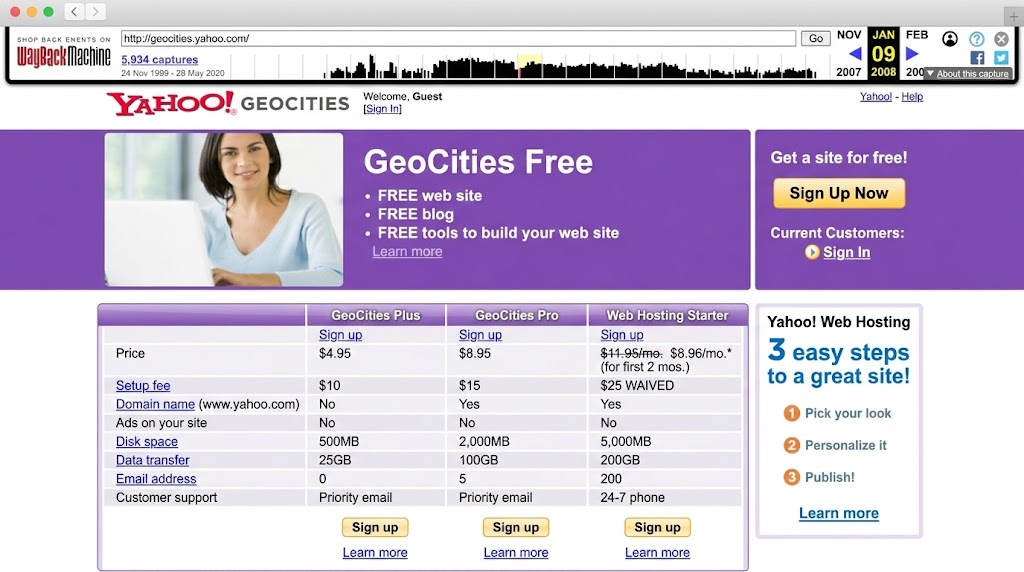
Most business owners think of a bad website as a minor inconvenience — something they’ll get around to fixing eventually. The reality is that a poorly designed, slow, or outdated website is actively costing your business money every single day it stays live. Unlike a problem you can see clearly on a balance sheet, the cost of a bad website is largely invisible. It shows up in the customers who never called, the leads that went to a competitor, and the revenue that quietly slipped away because your online presence failed to make the grade.
First Impressions Are Made in Milliseconds
Research from Google suggests that users form a visual impression of a website in as little as 50 milliseconds — that’s faster than a blink. In that fraction of a second, visitors are already making judgments about whether your business is professional, trustworthy, and worth their time. A website that looks outdated, cluttered, or amateurish triggers an immediate negative reaction that is very difficult to reverse no matter how good your actual service is. In a world where your competitors are just one click away, a bad first impression doesn’t give you a second chance.
You’re Losing Customers to Competitors Right Now
Every time a potential customer lands on your website and leaves without contacting you, there’s a good chance they went straight to a competitor with a better site. This is especially true in service industries where multiple businesses offer similar things at similar prices. When the service itself is hard to differentiate, the quality of the website becomes a proxy for the quality of the business. A competitor with a cleaner, faster, more professional website will win that customer almost every time regardless of whether their actual service is any better than yours. The website becomes the deciding factor by default.
A Bad Website Hurts Your Search Rankings
Google doesn’t just send traffic to any website — it actively evaluates the quality of websites before deciding how prominently to feature them in search results. A website with slow load times, poor mobile performance, thin content, broken links, or a high bounce rate will consistently rank below competitors with better-performing sites. This creates a compounding problem: a bad website ranks lower, which means fewer visitors, which means fewer signals of engagement, which causes rankings to drop further over time. Businesses with bad websites don’t just miss out on new traffic — they gradually lose the rankings they already have.
The Hidden Cost of DIY Website Builders
Many small business owners build their own websites using low-cost DIY platforms to save money, and while these tools have improved significantly, they come with real limitations that carry real costs. Template-based websites tend to load slowly because of bloated code, offer limited SEO customization, look similar to thousands of other websites using the same template, and become harder to modify as your business grows. The money saved upfront is often offset by lost business over time. A professionally built website is an investment that pays returns through better rankings, more conversions, and a stronger brand impression — all of which add up to measurable revenue over a period of months and years.
Trust and Credibility Are Non-Negotiable
In almost every industry, consumers do online research before making a purchasing decision. What they find shapes their perception of your business before you’ve had a single conversation with them. An outdated website with old photos, stale content, broken links, or no SSL certificate quietly communicates that your business may not be reliable, current, or legitimate. Trust is extraordinarily hard to build and very easy to destroy, and your website is often the primary vehicle through which potential customers form their initial judgment. A business that looks credible online starts every customer relationship from a position of strength. One that doesn’t starts every relationship already on the back foot.
The Fix Is More Affordable Than the Problem
The good news is that the cost of a professionally redesigned website is almost always significantly less than the ongoing cost of the business a bad website is losing. When you factor in the leads that never converted, the customers who chose competitors, and the search visibility that degraded over time, keeping a bad website live is rarely the economical choice it appears to be. A well-built website that loads fast, looks professional, ranks in search results, and converts visitors into customers typically pays for itself within months. The question for most business owners isn’t whether they can afford a better website — it’s whether they can afford to keep the one they have.







Add comment